
Introduction
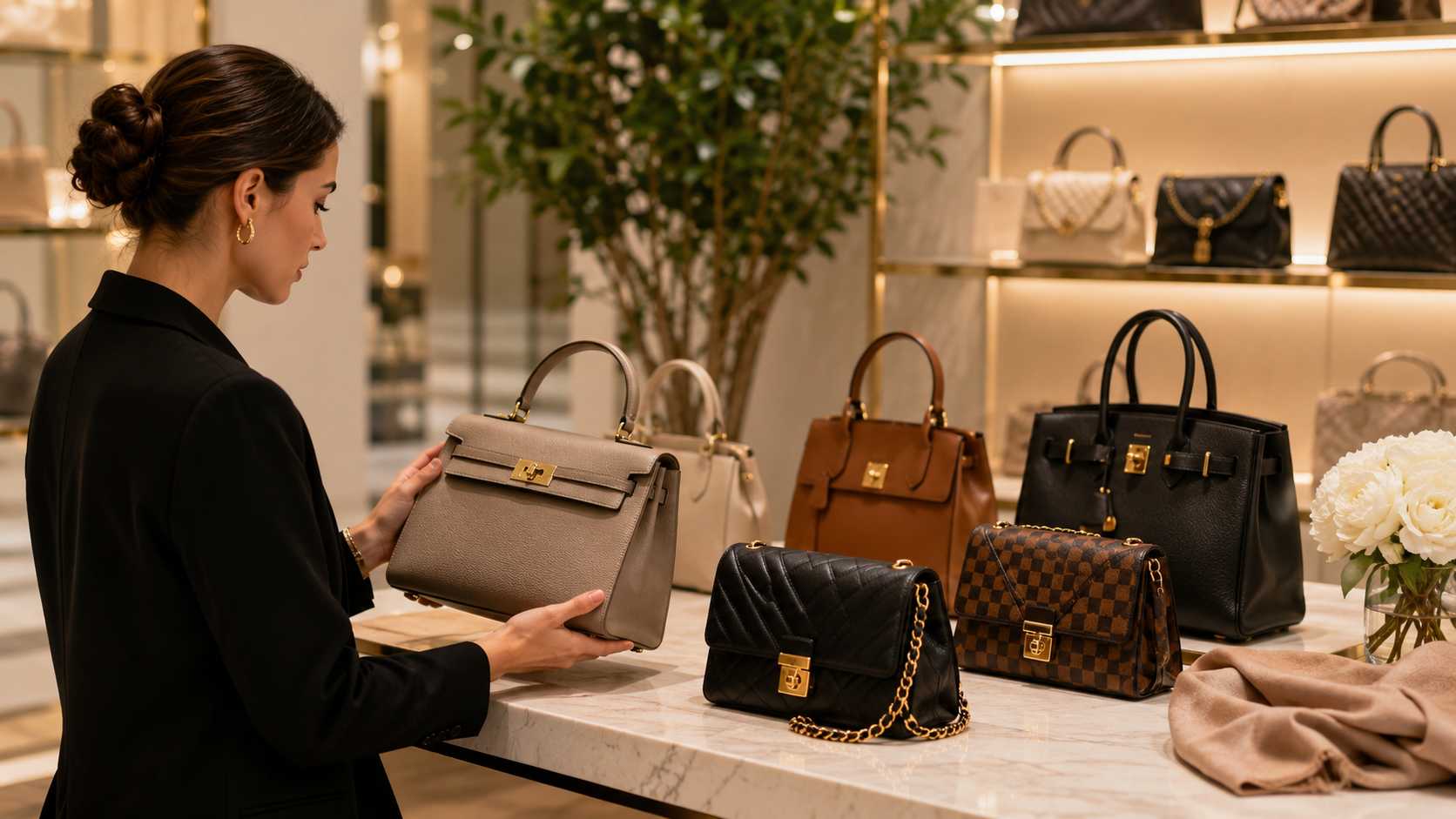
Buying a luxury bag for the first time is an exciting experience. For many people, it represents more than just purchasing an accessory—it is a milestone, an investment, and a personal style statement. Luxury handbags are often associated with craftsmanship, prestige, exclusivity, and timeless fashion. Whether you are purchasing your first designer tote, shoulder bag, crossbody, or iconic statement piece, the process can feel overwhelming because of the wide variety of brands, materials, prices, and styles available in the luxury market.
First-time buyers often make the mistake of focusing only on trends or logos without understanding what truly makes a luxury bag valuable. A luxury handbag is not just about appearance; it also involves durability, functionality, resale potential, quality of materials, and long-term satisfaction. Since designer bags can cost hundreds or even thousands of dollars, making the right choice becomes especially important.
The luxury handbag industry has grown rapidly over the past decade. Global fashion houses continue to release seasonal collections, limited-edition designs, and investment-worthy classics that attract buyers worldwide. At the same time, the rise of resale platforms and social media trends has made luxury bags more accessible and visible than ever before. However, this also means first-time buyers face greater confusion regarding authenticity, pricing, maintenance, and value.
This detailed guide explores everything first-time luxury bag buyers need to know before making a purchase. From understanding leather quality and choosing the right style to avoiding common mistakes and protecting your investment, this article provides a complete roadmap for buying your first luxury bag confidently and wisely.
Why Luxury Bags Are More Than Fashion Accessories
Luxury bags are often viewed as symbols of sophistication and personal style, but their significance goes far beyond fashion trends. Many designer handbags combine exceptional craftsmanship, premium materials, and timeless design elements that allow them to remain relevant for years or even decades.
Unlike fast-fashion bags that wear out quickly, luxury handbags are typically designed for long-term use. High-quality stitching, durable hardware, and carefully selected leather contribute to their longevity. In many cases, luxury bags become collectibles or heirloom items passed down through generations.
Luxury bags also hold emotional and psychological value. Purchasing a designer handbag often represents achievement, confidence, or a reward for personal success. For some buyers, owning a luxury bag provides a sense of self-expression and individuality.
In recent years, certain luxury handbags have also become investment pieces. Limited-edition styles and iconic designs from major fashion houses often retain or increase their resale value over time, especially when kept in excellent condition.
Understanding the Luxury Bag Market
Before purchasing your first luxury bag, it is important to understand how the market works. Luxury handbags are available in several categories, each serving different buyer preferences and budgets.
Entry-Level Luxury Bags
These bags are generally more affordable and ideal for first-time buyers. They often include smaller leather goods, crossbody bags, or canvas designs from premium brands.
Entry-level luxury bags allow buyers to experience designer quality without making an extremely large financial commitment.
Mid-Range Luxury Bags
Mid-range luxury handbags offer higher-quality materials, stronger craftsmanship, and more iconic designs. These bags are often recognized for balancing prestige with practicality.
This category is popular among professionals and fashion enthusiasts looking for versatile everyday luxury bags.
High-End and Ultra-Luxury Bags
These bags are produced using premium leather, handcrafted techniques, and exclusive materials. Many ultra-luxury bags are released in limited quantities, increasing their rarity and demand.
High-end bags often hold strong resale value and are considered status symbols within the fashion industry.
Define Your Purpose Before Buying
One of the biggest mistakes first-time buyers make is purchasing a luxury bag without understanding how they plan to use it.
Before selecting a bag, ask yourself:
- Will this be an everyday bag or occasional accessory?
- Do you need a professional office bag or a casual fashion piece?
- Will you travel with it frequently?
- Are you looking for timeless style or trend-based fashion?
Your lifestyle should heavily influence your decision.
For example:
- Professionals may benefit from structured totes or shoulder bags.
- Frequent travelers may prefer lightweight crossbody bags.
- Minimalists may prioritize versatile neutral designs.
- Fashion-focused buyers may choose seasonal statement pieces.
Buying a bag that matches your routine ensures long-term satisfaction and practicality.
Set a Realistic Budget
Luxury bags can vary dramatically in price depending on brand, size, materials, and exclusivity. Setting a clear budget before shopping prevents emotional overspending.
When creating a budget, consider:
- Taxes
- Maintenance costs
- Insurance for high-value items
- Potential resale value
- Accessories like organizers or dust bags
Many first-time buyers focus only on the retail price and overlook long-term ownership costs.
It is also important to avoid stretching finances purely for brand prestige. A well-chosen entry-level luxury bag can provide just as much satisfaction as a more expensive option.
Learn About Different Luxury Bag Materials
The material of a luxury bag directly affects durability, maintenance, comfort, and appearance.
Leather
Leather is the most common material used in luxury bags because of its durability and timeless appeal.
Common Leather Types
Full-Grain Leather
- Highest quality
- Durable and long-lasting
- Develops natural patina over time
Top-Grain Leather
- Smooth and polished appearance
- Slightly softer texture
- Popular in luxury handbags
Pebbled Leather
- Textured surface hides scratches
- Ideal for everyday use
Patent Leather
- Glossy finish
- Elegant appearance
- Requires careful maintenance
Canvas
- Luxury canvas bags are lightweight, durable, and often more affordable than full leather options.
- Canvas designs are popular for travel and casual use because they resist scratches and stains more effectively.
Suede & Exotic Materials
- Suede provides a soft and luxurious texture but requires more maintenance because it absorbs dirt and moisture easily.
- Some luxury brands use crocodile, python, ostrich, or other exotic skins for ultra-premium collections.
These materials are expensive and require specialized care.
Choose Timeless Over Trendy for Your First Purchase
First-time buyers are often tempted by viral trends or heavily promoted seasonal designs. While trendy bags may look exciting initially, they can lose appeal quickly.
A timeless luxury bag usually offers:
- Neutral colors
- Classic silhouettes
- Minimal branding
- Versatile styling
Timeless bags remain fashionable for years and pair easily with different outfits.
Popular timeless colors include:
- Black
- Beige
- Brown
- White
- Navy
Neutral shades also tend to have stronger resale value.
Understand Bag Sizes Before Buying
Choosing the wrong size is one of the most common regrets among first-time luxury bag buyers.
Mini Bags
Mini bags are stylish and trendy but may not fit everyday essentials.
They are ideal for:
- Evening events
- Minimal carry needs
- Fashion-focused styling
Medium Bags
Medium-sized bags are often the most practical choice because they balance style and functionality.
They usually fit:
- Phone
- Wallet
- Makeup
- Keys
- Small accessories
Large Bags and Totes
Large bags work well for:
- Office use
- Travel
- Daily commuting
However, oversized bags may become heavy and uncomfortable during long use.
Evaluate the Bag’s Functionality
Luxury should not come at the expense of usability. Before purchasing, consider:
- Strap comfort
- Weight distribution
- Number of compartments
- Ease of opening and closing
- Interior organization
Some visually stunning bags may be impractical for everyday use.
Testing the bag in-store or reviewing detailed measurements online helps avoid disappointment.
Pay Attention to Hardware Quality
Hardware includes:
- Zippers
- Clasps
- Chains
- Buckles
- Locks
High-quality hardware significantly affects durability and appearance.
Luxury bags usually use:
- Gold-tone hardware
- Silver-tone hardware
- Palladium finishes
- Engraved metal details
Check for:
- Smooth zipper movement
- Secure closures
- Scratch resistance
- Proper alignment
Cheap or poorly finished hardware can reduce the overall quality perception of the bag.
Research the Brand Carefully
Every luxury brand has its own identity, craftsmanship standards, and pricing strategy.
Some brands focus on:
- Timeless elegance
- Trend-based fashion
- Minimalist aesthetics
- Heritage craftsmanship
- Streetwear influence
Researching a brand helps buyers understand:
- Reputation
- Durability
- Customer service
- Resale value
- Brand history
Reading reviews and watching long-term wear videos can provide realistic expectations.
Learn About Resale Value
Some luxury bags retain value better than others. Factors affecting resale value include:
- Brand popularity
- Limited editions
- Condition
- Material
- Color
- Packaging completeness
Classic styles often perform better in the resale market than trend-driven pieces. Keeping receipts, authenticity cards, and original packaging helps preserve value.
Buy From Trusted Sources Only
Counterfeit luxury bags are a major issue in the fashion industry. First-time buyers should purchase only from:
- Official boutiques
- Authorized retailers
- Reputable resale platforms
Be cautious of:
- Prices that seem unrealistically low
- Missing authenticity documents
- Poor stitching or hardware
- Inconsistent logos or serial numbers
Authentication services are useful when buying pre-owned luxury bags.
Consider Buying Pre-Owned Luxury Bags
Pre-owned luxury bags offer several advantages:
- Lower prices
- Access to discontinued styles
- Better value retention
- Sustainable shopping
Many resale platforms now authenticate bags professionally before sale. For first-time buyers, pre-owned luxury bags can provide access to premium styles without full retail pricing.
Understand Luxury Bag Maintenance
Luxury bags require proper care to maintain their appearance and value.
Storage Tips
- Store in dust bags
- Avoid direct sunlight
- Keep bags stuffed to maintain shape
- Avoid humid environments
Cleaning Tips
- Use leather-safe cleaners
- Avoid harsh chemicals
- Clean stains immediately
Protecting the Bag
- Avoid overloading
- Keep away from rain and oils
- Rotate usage regularly
Neglecting maintenance can significantly reduce lifespan and resale value.
Common Mistakes First-Time Luxury Bag Buyers Make
- Buying for Status Instead of Function: Some buyers choose bags purely because they are trendy or recognizable. A luxury bag should match personal style and lifestyle needs.
- Ignoring Comfort: Heavy or awkward bags may become impractical quickly.
- Choosing the Wrong Color: Bright or unusual colors may limit outfit pairing flexibility.
- Overspending Emotionally: Impulse purchases often lead to regret.
- Neglecting Research: Failing to compare styles, materials, and reviews increases the chance of dissatisfaction.
Building a Versatile Luxury Bag Collection
After purchasing a first luxury bag, many buyers gradually expand their collection. A balanced collection may include:
- Everyday tote
- Crossbody bag
- Evening bag
- Travel bag
- Statement piece
Starting with versatile classics creates a strong foundation for future purchases.
Luxury Bags as Long-Term Investments
Some luxury bags increase in value over time because of:
- Limited production
- High demand
- Brand prestige
- Historical significance
However, not every bag is a financial investment. Buyers should prioritize personal satisfaction first rather than relying solely on resale expectations.
How Social Media Influences Luxury Bag Buying
Social media platforms heavily shape luxury bag trends today.
- Influencers and celebrities often create sudden demand for specific styles.
- While online inspiration can be useful, buyers should avoid purchasing solely because of temporary trends.
- A bag that suits your lifestyle will remain valuable long after trends change.
The Psychological Side of Buying Luxury Bags
Luxury purchases are often emotional decisions. People may buy luxury bags to:
- Celebrate achievements
- Boost confidence
- Express identity
- Feel socially connected
Understanding emotional motivations helps buyers make more intentional purchasing decisions.
Sustainability and Ethical Considerations
Modern consumers increasingly consider sustainability when buying luxury products.
Questions buyers may ask include:
- Is the leather ethically sourced?
- Does the brand use sustainable practices?
- Are workers treated fairly?
- Does the company support repair services?
Some luxury brands now offer:
- Sustainable leather alternatives
- Recycling initiatives
- Carbon-neutral production
- Repair and restoration programs
Should You Buy Trendy or Iconic Bags First?
For first-time buyers, iconic bags are generally safer choices because they:
- Hold value better
- Stay fashionable longer
- Offer greater versatility
Trendy bags can still be enjoyable, but they may feel outdated more quickly.
Signs of High-Quality Craftsmanship
When evaluating luxury bags, inspect:
- Stitching consistency
- Edge finishing
- Leather texture
- Hardware weight
- Interior lining quality
- Shape structure
High-end craftsmanship usually appears refined and precise in every detail.
Questions to Ask Before Buying a Luxury Bag
Before finalizing your purchase, ask:
- Does this bag fit my lifestyle?
- Can I style it with multiple outfits?
- Is the size practical?
- Am I buying because I truly love it or because it is trending?
- Can I maintain it properly?
Answering these questions helps prevent buyer’s remorse.
Conclusion
Buying a luxury bag for the first time can be exciting, rewarding, and overwhelming all at once. With so many brands, materials, and trends available, making the right decision requires careful thought and research.
A luxury bag should not only look beautiful but also fit your lifestyle, budget, and long-term preferences. Understanding materials, craftsmanship, functionality, resale value, and maintenance helps first-time buyers make smarter and more confident choices.
Rather than chasing temporary trends, focusing on timeless design, quality construction, and personal style usually leads to greater satisfaction. Whether you choose a classic everyday tote, a structured shoulder bag, or a versatile crossbody, your first luxury bag can become a meaningful and long-lasting addition to your wardrobe.
Luxury bags are more than fashion statements—they are expressions of individuality, craftsmanship, and thoughtful investment. With proper research and intentional buying decisions, first-time luxury bag buyers can enjoy both the beauty and practicality of their purchase for years to come.