
Introduction
Handbags are more than fashion accessories. They are daily essentials that carry personal belongings, complement outfits, and often represent significant financial investments. Whether it is a luxury leather tote, a designer shoulder bag, a functional backpack, or a trendy crossbody purse, every handbag experiences regular wear and tear. However, while some damage is unavoidable over time, many handbags deteriorate far more quickly because of everyday habits people rarely notice.
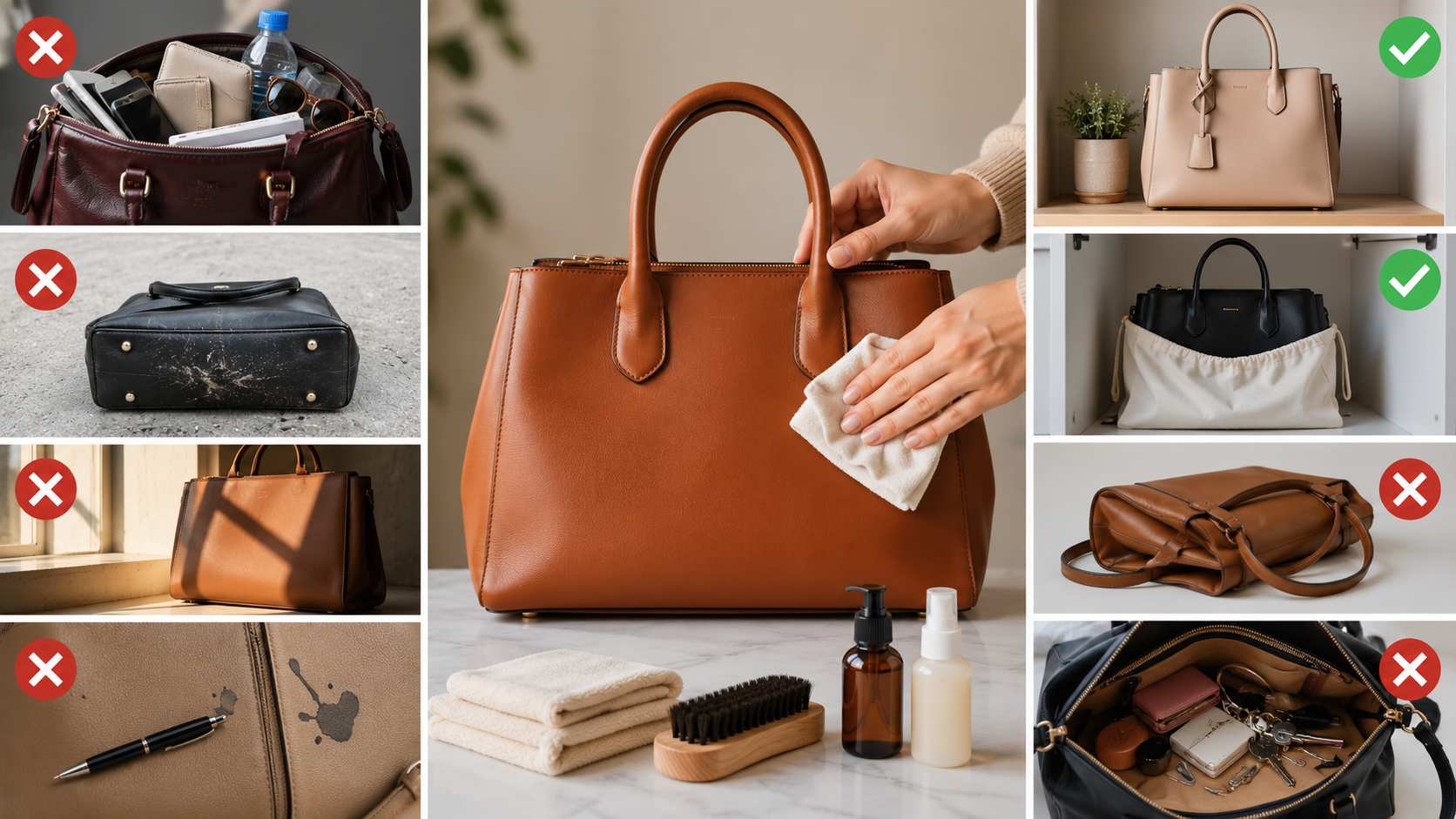
Most handbag damage does not happen suddenly. Instead, it develops gradually through repeated actions such as overloading bags, placing them on dirty surfaces, exposing them to sunlight, or neglecting proper storage. These habits may seem harmless in the moment, but over time they can lead to fading, cracking, misshapen structures, broken handles, peeling material, stained interiors, and damaged hardware.
Many people spend considerable money on handbags but unknowingly shorten their lifespan because they do not understand proper handbag care. Even high-quality bags made from genuine leather or premium materials require maintenance and mindful handling. On the other hand, affordable handbags can also last surprisingly long when treated correctly.
Understanding the everyday habits that ruin handbags is important for preserving their appearance, durability, and value. Proper care not only keeps bags looking stylish but also saves money by reducing the need for replacements or expensive repairs.
This comprehensive guide explores the most common habits that damage handbags, explains why these mistakes are harmful, and provides practical solutions for maintaining handbags in excellent condition for years.
Why Handbag Care Matters
Handbags face constant exposure to environmental conditions, weight pressure, friction, moisture, and dirt. Unlike clothing, which is washed regularly, handbags are often used daily without proper cleaning or maintenance.
Caring for handbags matters for several reasons:
- Preserving Appearance: A well-maintained handbag retains its original shape, texture, and color for much longer. Proper care prevents fading, wrinkles, peeling, and visible wear.
- Extending Lifespan: Good habits significantly increase durability. Bags that are stored and handled properly can last for many years.
- Maintaining Value: Designer and luxury handbags often have resale value. Damage caused by neglect reduces their market worth substantially.
- Saving Money: Replacing handbags frequently becomes expensive. Preventive care is usually far more affordable than repairs or replacements.
- Supporting Sustainability: Taking better care of handbags reduces waste and encourages more sustainable consumption habits.
Habit #1: Overloading Your Handbag
One of the most common and damaging habits is carrying excessive weight inside handbags.
Many people use handbags to carry:
- Water bottles
- Makeup kits
- Electronics
- Chargers
- Books
- Snacks
- Keys
- Wallets
- Tablets or laptops
Over time, excessive weight places stress on the handles, stitching, zippers, and overall structure of the bag.
How Overloading Damages Handbags
- Stretches Handles: Heavy weight weakens straps and handles, causing them to stretch or crack.
- Distorts Shape: The structure of the bag becomes misshapen and loses its original silhouette.
- Weakens Stitching: Constant tension can loosen seams and stitching.
- Damages the Bottom Base: Heavy contents strain the bottom panel, especially in soft handbags.
How to Prevent Overloading
- Carry only essentials
- Avoid using fashion handbags as travel bags
- Rotate between larger and smaller bags depending on need
- Use lightweight organizers instead of bulky pouches
Choosing the right handbag for specific activities greatly reduces stress on the material.
Habit #2: Placing Bags on Dirty Floors
Placing handbags on restaurant floors, public transport seats, sidewalks, or office floors is extremely common.
Unfortunately, this habit exposes handbags to:
- Dirt
- Moisture
- Bacteria
- Oil stains
- Scratches
The bottom of the bag absorbs grime that gradually spreads to the rest of the material.
Why Floor Contact Is Harmful
- Causes Stains: Fabric and leather easily absorb dirt and liquids from surfaces.
- Scratches the Material: Rough surfaces create friction and scuff marks.
- Transfers Germs: Public floors contain bacteria and contaminants that accumulate on the bag.
- Weakens the Base: Repeated impact with hard surfaces damages the bottom structure.
Better Alternatives
- Use handbag hooks
- Place bags on chairs or tables
- Keep a clean cloth or dust bag for temporary placement
- Choose bags with protective metal feet if possible
Habit #3: Ignoring Regular Cleaning
Many people clean their handbags only after visible stains appear. However, dirt, oils, and dust accumulate daily through hand contact and environmental exposure.
Effects of Poor Cleaning Habits
- Dirt Buildup: Dust settles into seams and textured materials.
- Permanent Stains: Small untreated stains become harder to remove over time.
- Material Deterioration: Oils and debris weaken surfaces gradually.
- Unpleasant Odors: Food crumbs and moisture create odor problems inside the bag.
Proper Cleaning Routine
Daily Maintenance
- Wipe exterior lightly with a dry cloth
- Empty unnecessary items
Weekly Cleaning
- Remove dust from interior
- Check for spills or stains
Monthly Maintenance
- Deep clean according to material type
- Condition leather if necessary
Consistent light cleaning is far more effective than occasional heavy cleaning.
Habit #4: Exposing Bags to Direct Sunlight
Sunlight may seem harmless, but prolonged UV exposure damages handbag materials significantly.
How Sunlight Ruins Handbags
- Causes Fading: Colors lose vibrancy over time.
- Dries Out Leather: Leather loses moisture and develops cracks.
- Weakens Material Fibers: Fabric and synthetic materials become brittle.
- Damages Glue and Adhesives: Heat weakens bonding materials inside the bag.
Prevention Tips
- Store bags away from windows
- Avoid leaving bags in cars
- Use dust covers during storage
- Rotate bags instead of exposing the same one daily
Habit #5: Storing Bags Incorrectly
Improper storage is one of the leading causes of handbag deformation.
Common Storage Mistakes
- Hanging Bags by Handles: This stretches straps and distorts shape.
- Folding Bags: Folding creates permanent creases.
- Storing in Plastic Bags: Plastic traps moisture and encourages mold growth.
- Crushing Bags Together: Pressure causes scratches and misshaping.
Correct Storage Methods
- Use Dust Bags: Breathable fabric dust bags protect against dust and moisture.
- Stuff Bags Properly: Use tissue paper or soft fabric to maintain shape.
- Store Upright: Keeping bags upright prevents deformation.
- Maintain Airflow: Store bags in cool, dry spaces.
Habit #6: Carrying Pens Without Protection
Pens leaking inside handbags is a common disaster. Ink stains are especially difficult to remove from leather and fabric linings.
Damage Caused by Ink Leaks
- Permanent interior stains
- Damage to lining
- Ink transfer to personal items
- Strong chemical odors
Prevention Tips
- Store pens in pouches
- Use capped pens carefully
- Avoid loose sharp objects inside bags
Habit #7: Ignoring Moisture and Humidity
Moisture is one of the biggest enemies of handbags. Humidity affects leather, suede, fabric, and synthetic materials differently but negatively overall.
Problems Caused by Moisture
- Mold and Mildew: Damp conditions encourage fungal growth.
- Water Stains: Leather absorbs moisture unevenly.
- Peeling: Synthetic coatings weaken in humid environments.
- Odor Development: Moisture causes unpleasant smells.
How to Protect Bags from Humidity
- Use silica gel packets
- Avoid storing damp bags
- Dry wet bags naturally
- Store in ventilated spaces
Habit #8: Using the Same Bag Every Day
Constant daily use accelerates wear. Even durable handbags need occasional rest.
Why Rotation Matters
- Reduces Stress: Handles and seams recover when not under constant pressure.
- Prevents Excessive Wear: Rotating bags distributes usage evenly.
- Extends Lifespan: Less frequent use slows aging.
Smart Rotation Habits
- Keep multiple bags for different occasions
- Alternate between work and casual bags
- Match bag size to daily needs
Habit #9: Neglecting Leather Conditioning
Leather loses natural oils over time. Without conditioning, leather becomes dry and brittle.
Signs of Unconditioned Leather
- Cracking
- Stiffness
- Dull appearance
- Rough texture
Proper Leather Care
- Use leather conditioner every few months depending on usage and climate.
- Conditioners restore moisture and flexibility while improving appearance.
Habit #10: Carrying Makeup Without Organization
Loose cosmetics often spill inside handbags. Common Makeup-Related Damage
- Powder stains
- Foundation leaks
- Lipstick smudges
- Oil residue
Prevention Tips
- Use makeup pouches
- Close products tightly
- Clean spills immediately
Habit #11: Pulling Zippers Aggressively
Zippers are delicate mechanical components. Forcing stuck zippers weakens alignment and teeth.
How Aggressive Handling Damages Bags
- Broken zipper teeth
- Torn lining
- Bent hardware
- Detached zipper tracks
Better Zipper Habits
- Open and close gently
- Avoid overstuffing compartments
- Lubricate sticky zippers carefully
Habit #12: Ignoring Small Repairs
Small problems become larger over time. Loose threads or minor scratches may seem harmless initially.
Why Immediate Repairs Matter
- Prevents Structural Damage: Small tears expand with continued use.
- Saves Money: Minor repairs cost less than major restoration.
- Preserves Appearance: Early care prevents visible deterioration.
Habit #13: Using Harsh Cleaning Products
Household cleaners often contain chemicals unsuitable for handbags.
Risks of Harsh Products
- Discoloration
- Drying and cracking
- Peeling finishes
- Weakening adhesives
Safer Cleaning Methods
Use material-specific cleaners designed for:
- Leather
- Suede
- Canvas
- Faux leather
Always patch test before use.
Habit #14: Carrying Sharp Objects Loosely
Keys, nail files, scissors, and metal accessories scratch interiors and exteriors.
Damage Caused by Sharp Objects
- Torn lining
- Scratched leather
- Permanent marks
- Damaged pockets
Prevention: Use organizers or protective pouches for sharp items.
Habit #15: Leaving Bags in Hot Cars
Heat damages handbags quickly.
Effects of Heat Exposure
- Warping:High temperatures distort shape.
- Melting Adhesives: Glue weakens inside the structure.
- Drying Leather: Leather loses moisture rapidly.
- Fading Colors: Heat intensifies UV damage.
Habit #16: Neglecting Hardware Care
Metal hardware also requires maintenance.
Common Hardware Issues
- Tarnishing
- Scratches
- Rust
- Loose clasps
Hardware Maintenance Tips
- Wipe metal parts regularly
- Avoid excessive moisture
- Store carefully to reduce friction
Habit #17: Buying Poor-Quality Bags Frequently
Cheap materials often deteriorate quickly. Fast fashion bags may peel, crack, or lose structure within months.
Why Quality Matters
Higher-quality materials:
- Last longer
- Resist wear better
- Maintain appearance
- Reduce long-term replacement costs
Investing in fewer quality bags can be more economical over time.
The Importance of Material-Specific Care
Different materials require different maintenance routines.
- Leather Bags: Need conditioning and moisture protection.
- Suede Bags: Require dry cleaning methods and brushing.
- Canvas Bags: Need stain management and regular washing.
- Faux Leather Bags: Require gentle cleaning and heat protection.
Understanding the material prevents accidental damage.
Creating a Long-Term Handbag Care Routine
A consistent care routine keeps handbags looking new.
Daily Habits
- Empty unnecessary items
- Wipe handles lightly
- Store properly after use
Weekly Habits
- Clean interiors
- Inspect hardware
- Remove dust buildup
Monthly Habits
- Deep clean
- Condition leather
- Reshape storage stuffing
How Proper Care Increases Sustainability
Taking care of handbags reduces waste and overconsumption.
Long-lasting bags:
- Reduce landfill waste
- Lower replacement frequency
- Encourage mindful shopping
Handbag care supports sustainable fashion habits.
Conclusion
Most handbag damage does not happen because of accidents—it happens because of small everyday habits repeated over time. Overloading bags, improper storage, neglecting cleaning, exposure to heat and moisture, and rough handling gradually weaken materials and shorten lifespan.
Fortunately, these problems are largely preventable. By developing mindful handbag habits and following proper maintenance routines, it is possible to preserve both the beauty and functionality of handbags for many years.
Whether you own luxury designer handbags or affordable everyday bags, consistent care makes a significant difference. Handbags are investments in style and practicality, and protecting them through better habits ensures they continue to look elegant, organized, and durable long into the future.