
Introduction
Handbags are more than simple accessories; they are an essential part of personal style, daily utility, and often carry emotional value. Whether it’s a luxury designer piece, a vintage find, or a favorite everyday bag, handbags tend to accumulate wear over time. Scratches, stains, fading, and structural damage can make even the most beautiful bag look tired and outdated.
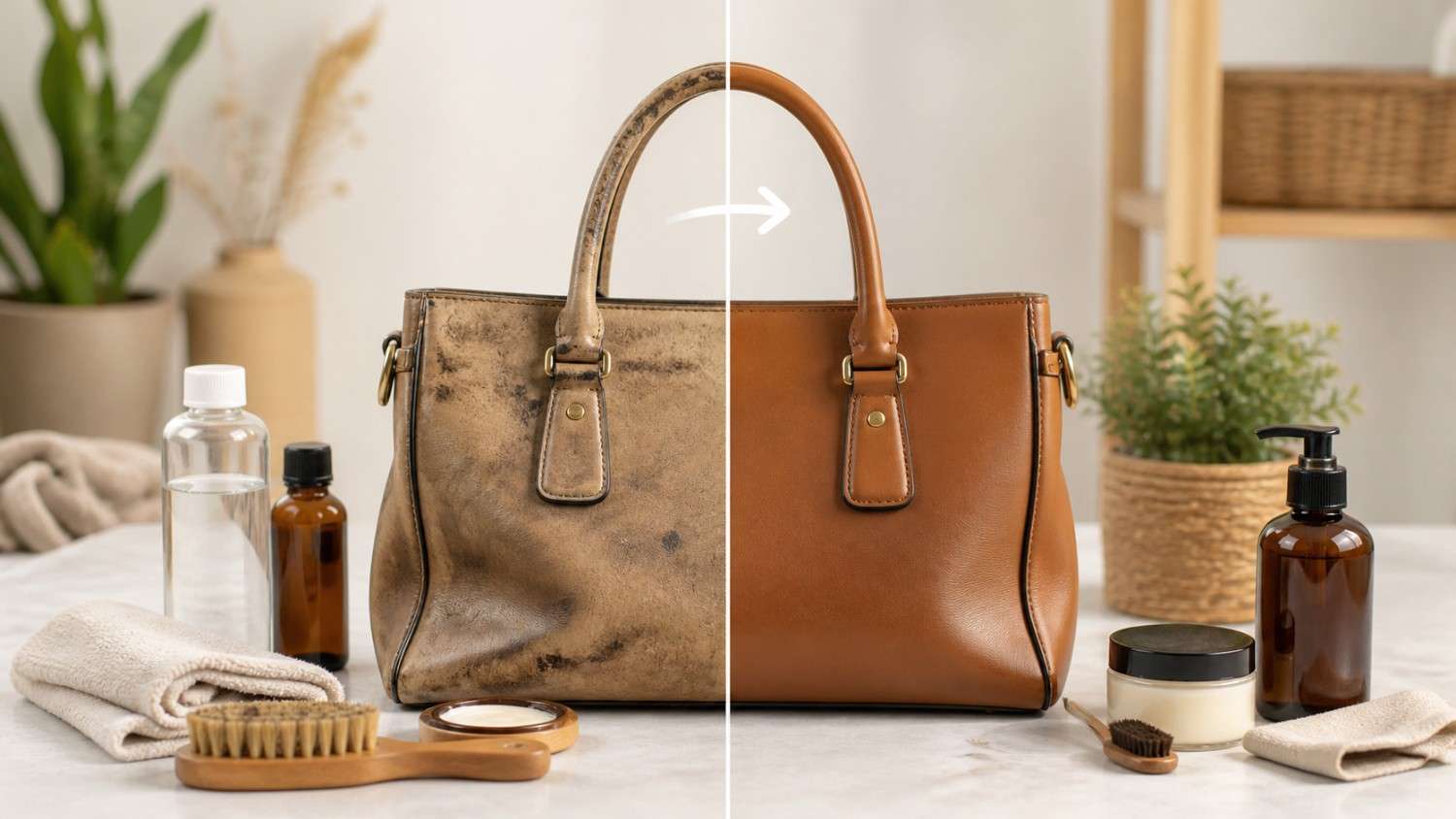
Instead of discarding your old handbags or spending money on replacements, restoration offers a practical and rewarding alternative. Learning how to restore old handbags like new allows you to extend their lifespan, maintain their aesthetic appeal, and preserve their value. In many cases, proper restoration can make a bag look almost indistinguishable from its original condition.
This comprehensive guide walks you through every aspect of handbag restoration. From identifying damage to cleaning, repairing, conditioning, and maintaining your bag, you will gain a complete understanding of how to revive different types of handbags at home.
Why Restore Old Handbags Instead of Buying New?
Restoring handbags is not just about saving money; it is also about making smarter, more sustainable choices. The fashion industry is one of the largest contributors to waste, and extending the life of accessories like handbags plays a small but meaningful role in reducing environmental impact.
One of the most compelling reasons to restore handbags is cost efficiency. High-quality bags, especially leather or designer pieces, can be expensive.
- Restoration often costs significantly less than purchasing a new item of similar quality. Even basic cleaning and conditioning can dramatically improve the look and usability of a bag.
- Another important factor is sustainability. By restoring and reusing handbags, you reduce demand for new production, which in turn helps conserve resources and reduce waste.
- This approach aligns with the growing trend of conscious consumerism.
- Sentimental value also plays a major role. Many handbags are gifts or are associated with special memories. Restoring such items allows you to continue using them without losing their emotional significance.
Finally, restoration helps preserve the value of premium handbags. Luxury bags, when properly maintained, can retain or even increase their resale value. Regular care and occasional restoration can keep them in excellent condition for years.
Common Problems in Old Handbags
Before beginning the restoration process, it is essential to understand the types of damage handbags typically experience. Identifying these issues early helps you choose the correct methods and avoid causing further damage.
Scratches and scuffs are among the most common problems, especially in leather bags. These can occur due to friction, improper storage, or everyday use. While minor scratches are often easy to fix, deeper ones may require specialized repair.
- Stains and dirt buildup are also frequent issues. Spills, exposure to dust, and daily handling can leave visible marks on both the exterior and interior of a bag. Different materials react differently to stains, so proper identification is crucial.
- Fading is another common concern, particularly for bags exposed to sunlight or harsh environmental conditions. Over time, the original color may become dull or uneven.
- Peeling and cracking are usually seen in synthetic or poorly maintained leather bags. This type of damage indicates that the material has lost its flexibility and moisture.
- Structural problems, such as broken handles, loose stitching, or damaged zippers, can affect the functionality of the bag. These issues often require repair rather than simple cleaning.
Lastly, odor buildup can make a bag unpleasant to use. This is often caused by moisture, spills, or prolonged storage without proper ventilation.
Step-by-Step Guide to Restoring Old Handbags
1. Empty and Inspect the Bag
The first step in restoring any handbag is a thorough inspection. Begin by emptying all compartments, including small pockets that may contain hidden debris.
- Shake the bag gently to remove loose particles.
- Carefully examine both the interior and exterior. Look for stains, scratches, discoloration, and structural issues.
- Pay attention to seams, handles, and hardware, as these areas are more prone to wear.
Inspection helps you prioritize tasks and determine whether the restoration can be done at home or requires professional assistance. It also ensures that you do not overlook hidden damage.
2. Clean the Interior Thoroughly
The interior of a handbag often accumulates dirt, dust, and residue from daily use. Cleaning this area is essential for both hygiene and overall restoration.
- Start by using a small handheld vacuum or a soft brush to remove loose dirt and crumbs. For fabric linings, use a mild soap solution and a soft cloth to gently wipe the surface.
- Avoid excessive moisture, as it can weaken the structure or cause mold growth.
- If the lining has stubborn stains, apply a small amount of diluted detergent and gently blot the area. Do not scrub aggressively, as this can damage the fabric.
Allow the interior to air dry completely before proceeding to the next step. Proper drying is important to prevent odor and mildew.
3. Clean the Exterior Based on Material
The cleaning method for the exterior depends on the material of the handbag. Using the wrong technique can cause irreversible damage, so it is important to proceed carefully.
- For leather bags, use a specialized leather cleaner or a mild soap solution. Apply it with a soft cloth and clean in gentle circular motions. Avoid soaking the leather, as excess water can lead to stiffness or cracking.
- Canvas bags can be cleaned using warm water and mild detergent. A soft brush can help remove dirt from textured surfaces. Rinse lightly and allow the bag to air dry.
- Suede bags require a different approach. Use a suede brush or eraser to remove dirt and restore the texture. Water should be avoided as much as possible, as it can leave permanent marks.
Synthetic materials can usually be cleaned with a damp cloth and mild soap. However, always test a small area first to ensure there is no discoloration.
4. Remove Stains Effectively
Stain removal is a crucial part of restoring handbags. Different types of stains require different solutions, and using the wrong method can worsen the problem.
- Ink stains can often be treated with a small amount of rubbing alcohol applied with a cotton swab. Dab gently rather than rubbing, as rubbing can spread the stain.
- Oil and grease stains can be treated using absorbent materials such as baking soda or cornstarch. Apply the powder, let it sit for several hours, and then brush it off.
- Water stains can be blended by lightly dampening the surrounding area and allowing it to dry evenly. This helps reduce visible edges.
Always perform a patch test before applying any cleaning solution to the entire surface. This ensures that the material does not react negatively.
5. Repair Scratches and Scuffs
Scratches and scuffs can significantly affect the appearance of a handbag. Fortunately, many of these can be repaired with simple techniques.
- For minor scratches, applying a leather conditioner can help restore the surface. The conditioner moisturizes the material and reduces the visibility of marks.
- Color-matching polish or balm can be used to blend scratches with the rest of the bag. Apply a small amount and buff gently with a soft cloth.
- Deeper scratches may require a leather repair kit. These kits typically include fillers and dyes that help rebuild the damaged area.
Consistency and patience are key when repairing scratches. Multiple light applications often yield better results than a single heavy treatment.
6. Restore Color and Shine
Over time, handbags can lose their original color and shine. Restoring these elements can dramatically improve their appearance.
- Leather dyes or color balms are commonly used to revive faded areas. Choose a shade that closely matches the original color and apply it evenly using a sponge or applicator.
- After applying the dye, allow it to dry completely before adding a conditioner. Conditioning helps seal the color and adds a natural shine.
- Polishing the bag with a soft cloth enhances the finish and gives it a refreshed look. Regular polishing also helps maintain the restored appearance.
7. Fix Hardware and Structure
Functional components such as zippers, clasps, and handles are essential for usability. Addressing these issues is an important part of restoration.
- Loose screws can be tightened using appropriate tools. Broken zippers may need replacement, which can be done at home or by a professional.
- Handles that show signs of wear can be reinforced with stitching or adhesive, depending on the material. In some cases, replacing the handles may be the best option.
- Structural issues, such as a misshapen bag, can often be corrected by stuffing the bag and allowing it to regain its form over time.
8. Eliminate Odors
Odor removal is often overlooked but is essential for making a bag feel fresh and usable.
- Baking soda is an effective natural deodorizer. Place a small amount inside the bag and leave it overnight to absorb odors.
- Activated charcoal is another option that works well for persistent smells. It can be placed in a small pouch inside the bag.
- Allowing the bag to air out in a well-ventilated area can also help reduce odors. Avoid direct sunlight, as it can cause fading.
9. Condition and Protect
Conditioning is the final step in the restoration process and plays a crucial role in maintaining the bag’s quality.
- Leather conditioners help restore moisture, prevent cracking, and keep the material flexible. Apply the conditioner evenly and allow it to absorb fully.
- Protective sprays can be used to guard against water and stains. These are especially useful for suede and fabric bags.
- Regular conditioning and protection help preserve the results of your restoration efforts and extend the life of the handbag.
DIY vs Professional Restoration
Deciding between DIY and professional restoration depends on the condition of the bag and your level of expertise.
- DIY restoration is suitable for minor issues such as light stains, surface scratches, and basic cleaning.
- It is cost-effective and convenient, making it a popular choice for everyday bags.
- Professional restoration is recommended for high-value or heavily damaged handbags.
- Experts have specialized tools and materials that can address complex problems more effectively.
While professional services may be more expensive, they can deliver superior results, especially for luxury items.
Tips to Keep Your Handbags Looking New
Maintaining your handbags properly can reduce the need for frequent restoration.
- Store bags in dust covers or breathable fabric bags to protect them from dust and moisture. Avoid plastic covers, as they can trap humidity.
- Do not overload your handbag, as excessive weight can distort its shape and strain the handles.
- Keep bags away from direct sunlight to prevent fading. Store them in a cool, dry place.
- Regular cleaning and occasional conditioning help maintain the appearance and durability of the material.
Rotating your handbags allows each one to rest and reduces wear from constant use.
Mistakes to Avoid
Avoid using harsh chemicals or household cleaners that are not designed for handbags. These can damage the material and cause discoloration.
- Do not use excessive water, especially on leather and suede. Over-wetting can lead to structural damage.
- Skipping patch tests can result in unexpected reactions, so always test products on a small hidden area first.
- Ignoring minor damage can lead to more serious problems over time. Address issues early to prevent further deterioration.
When Should You Replace Instead of Restore?
While restoration can fix many issues, there are situations where replacement may be more practical.
- Severe structural damage, such as broken frames or irreparable stitching, may compromise the usability of the bag.
- Extensive peeling or cracking, especially in synthetic materials, can be difficult to repair effectively.
- Mold or mildew infestation can pose health risks and may not be completely removable.
In such cases, replacing the handbag may be the better option.
Conclusion
Restoring old handbags is a valuable skill that combines practicality, creativity, and sustainability. With the right approach, even heavily used bags can regain their beauty and functionality.
By following the steps outlined in this guide, you can clean, repair, and protect your handbags effectively. Whether you are working on a cherished vintage piece or a daily-use bag, restoration allows you to make the most of your collection.
Consistent care and maintenance ensure that your handbags remain in excellent condition for years to come, reducing the need for frequent replacements and supporting a more sustainable lifestyle.